
Commercial Solar Panels in the UK: Costs, ROI and Payback
Rising energy costs and increasing pressure to meet sustainability targets are driving more UK businesses to consider solar energy.
For many organisations, the key questions are straightforward:
How much do commercial solar panels cost, and how quickly will the investment pay back?
The answer depends on several factors, including system size, energy usage, and funding options. This guide explains typical costs, return on investment (ROI), and what businesses should consider before installing solar.
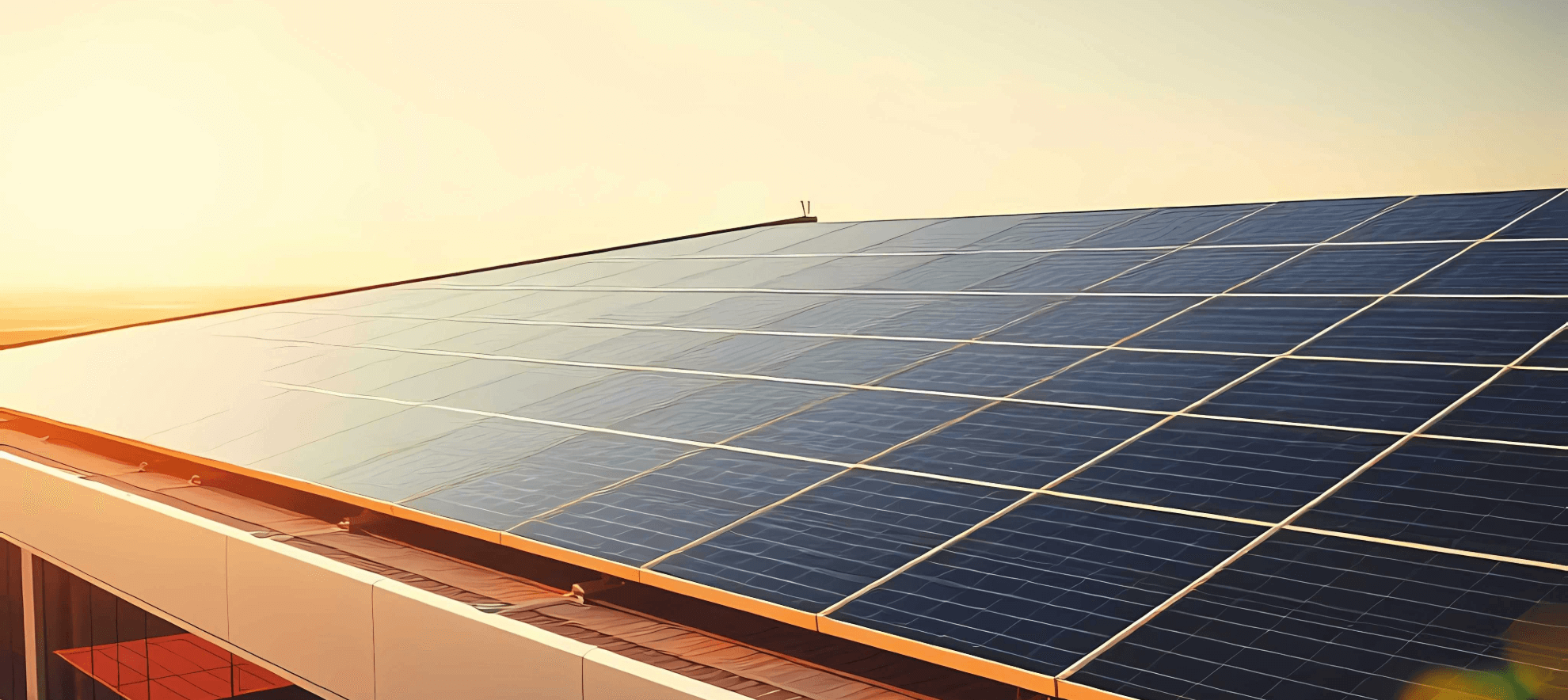
Why businesses are investing in solar
Commercial solar is no longer just a sustainability initiative — it is increasingly a financial decision.
Businesses are turning to solar to:
Reduce long-term electricity costs
Protect against energy price volatility
Improve ESG and sustainability credentials
Meet planning or compliance requirements
Increase asset value
With electricity prices remaining unpredictable, generating power on-site provides greater control over operational costs.
How much do commercial solar panels cost in the UK?
The cost of a commercial solar installation depends on several variables, but typical ranges are:
Small commercial systems (10–30 kWp): £15,000 – £30,000
Medium systems (30–100 kWp): £30,000 – £100,000+
Large-scale systems (100 kWp+): £100,000+
These figures vary depending on project specifics.
What factors affect the cost?
1. System size
Larger systems benefit from economies of scale, reducing cost per kWp.
2. Roof type and structure
Flat roofs, pitched roofs, and ground-mounted systems all require different installation approaches.
Structural assessments may also be needed to confirm load capacity.
3. Energy usage profile
The design of the system should align with when energy is used on-site. This affects system sizing and overall efficiency.
4. Installation complexity
Access, building height, electrical infrastructure, and grid connection requirements all influence cost.
5. Equipment quality
Higher-quality panels, inverters, and mounting systems may have higher upfront costs but often improve long-term performance.
What affects return on investment (ROI)?
ROI is influenced by how much of the generated electricity is used on-site and the cost of grid electricity.
Key factors include:
Energy consumption
The more electricity a business consumes during daylight hours, the greater the savings from solar.
Electricity prices
Higher grid energy prices increase the financial benefit of solar generation.
System performance
Well-designed systems with optimal orientation and minimal shading deliver stronger returns.
Export tariffs
Any excess energy exported to the grid may generate additional income, depending on available schemes.
Funding structure
Upfront purchase, leasing, or Power Purchase Agreements (PPAs) all impact ROI differently.
Typical payback period
Most commercial solar installations in the UK achieve a payback period of approximately 3 to 7 years.
After this point:
Electricity generated is effectively free
Operating costs are reduced
The system continues to deliver savings for 20+ years
Funding options for commercial solar
Businesses do not always need to fund solar installations upfront.
Common options include:
Power Purchase Agreements (PPAs)
A third party installs and maintains the system, and the business purchases the electricity generated at a reduced rate.
Asset finance / leasing
Spreads the cost over time while allowing the business to benefit from energy savings.
Capital investment
Provides the highest long-term returns but requires upfront expenditure.
Additional benefits beyond cost savings
While financial return is often the main driver, solar also provides:
Reduced carbon emissions
Improved sustainability reporting
Greater energy independence
Increased attractiveness to investors and tenants
Alignment with net zero targets
Is solar suitable for every business?
Solar is particularly effective for:
Warehouses and industrial buildings
Offices and commercial premises
Retail and hospitality
Developments with large roof areas
However, suitability depends on:
Available roof space
Energy demand profile
Structural considerations
Planning and grid constraints
How Helix Energy supports commercial solar projects
Helix Energy works with businesses, developers, and property owners to deliver tailored solar solutions.
Our services include:
Site feasibility assessments
System design and energy modelling
Financial and ROI analysis
Installation and project delivery
Ongoing performance support
Our approach focuses on delivering systems that are both technically robust and commercially viable.
Commercial solar panels offer a practical way for UK businesses to reduce energy costs, improve sustainability, and gain long-term financial benefits.
While costs vary depending on the project, most systems deliver a strong return on investment within a relatively short timeframe.
If you’re considering commercial solar, Helix Energy can assess your site, model potential savings, and provide a clear, practical path to installation - contact us today.