
Part L Regulations Matter: How Early Building Compliance Saves You Thousands in Redesign Fees
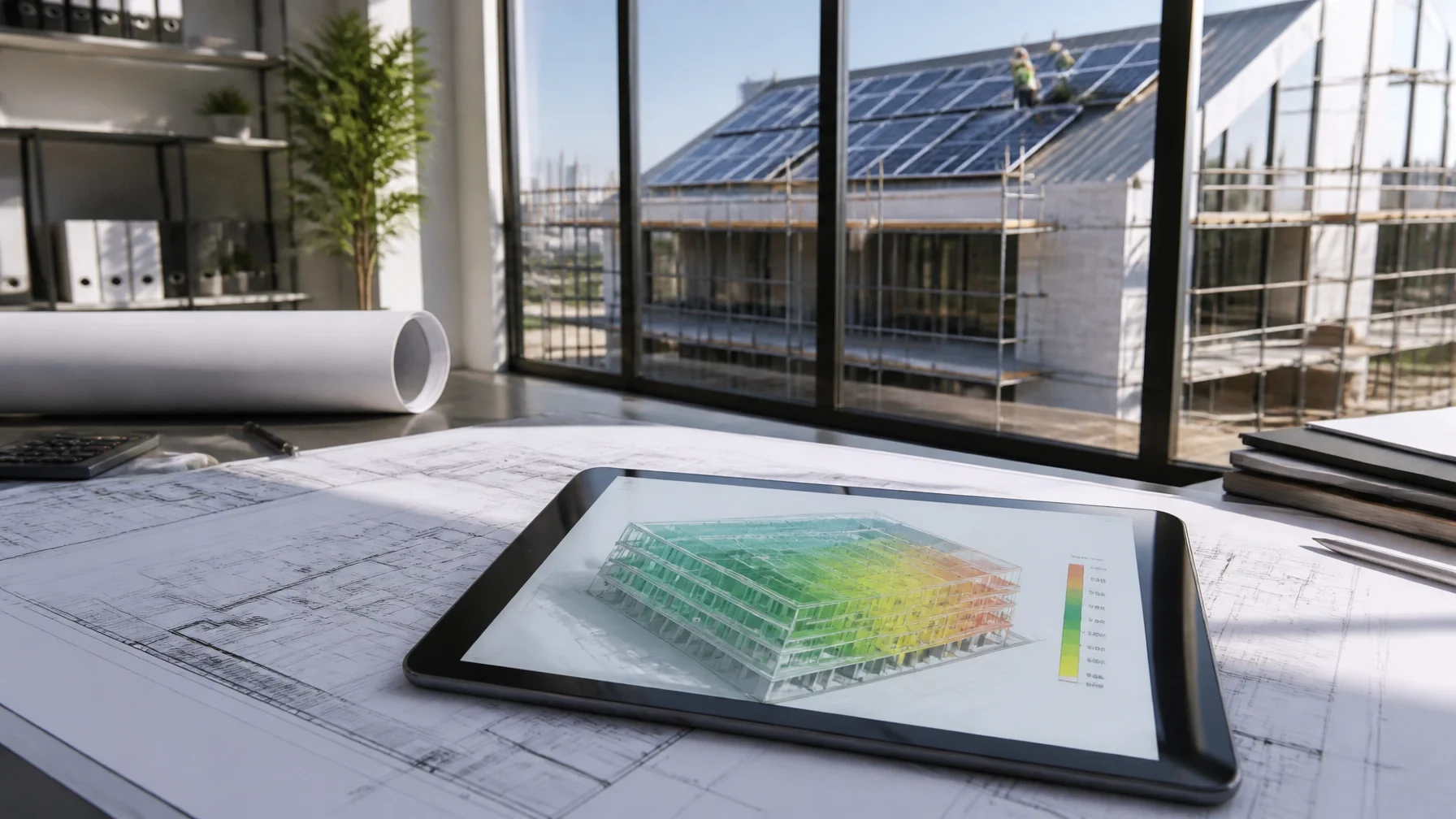
Building regulations in the UK are currently undergoing the most significant shift in a generation. For property developers, architects, and housing associations, the introduction of the updated Approved Document L (Part L) and the roadmap toward the Future Homes Standard (FHS) has transformed energy compliance from a "tick-box" exercise into a primary design driver.
Ignoring these regulations until the construction phase is no longer a viable strategy. Failure to integrate energy performance into the initial design phase: what we call the project DNA: often results in expensive, late-stage redesigns, planning delays, and significant remedial construction costs.
This guide outlines why early building compliance is a financial necessity and how an integrated approach to consultancy and installation provides the most efficient path to regulatory approval.
The Financial Risk of Late-Stage Compliance
The cost of non-compliance is rarely limited to a simple fine. In the current regulatory environment, the financial impact of a failed SAP (Standard Assessment Procedure) calculation or air permeability test during the final stages of a build can be catastrophic.
The True Cost of Redesign
Research indicates that designing for compliance from the outset adds approximately £4,350 per typical new dwelling (based on 2025/2026 pricing) to meet the 2025/2026 standards. This figure represents the "planned" cost of high-efficiency fabric, low-carbon heating, and renewables.
However, if a project is found to be non-compliant after the design is finalised or construction has commenced, these costs escalate rapidly:
Professional Fees: Additional hours for architects and engineers to rework drawings.
Planning Resubmissions: Delays in project timelines while waiting for updated approvals.
Abortive Works: Tearing out installed insulation or heating systems that do not meet the required U-values or carbon targets.
Retrofit Premiums: Installing solar PV or heat pumps as an afterthought is significantly more expensive than integrated installation.
On a 50-unit residential scheme, a late-stage failure to meet Part L can easily result in over £200,000 of unplanned expenditure.

Understanding Part L and the Future Homes Standard
The updated Part L regulations focus on two main pillars: reducing energy demand through superior building fabric and decarbonising heat through renewable technology.
1. The Fabric-First Approach
The regulations mandate stricter U-values for walls, floors, and roofs. Achieving these targets requires careful selection of materials and precise detailing at the design stage.
2. The Shift to Low-Carbon Heating
With the phase-out of gas boilers in new builds, technology like Air Source Heat Pumps (ASHPs) has become the standard. Designing for an ASHP requires different spatial considerations for plant rooms and cylinder storage compared to traditional systems.
3. On-Site Renewables
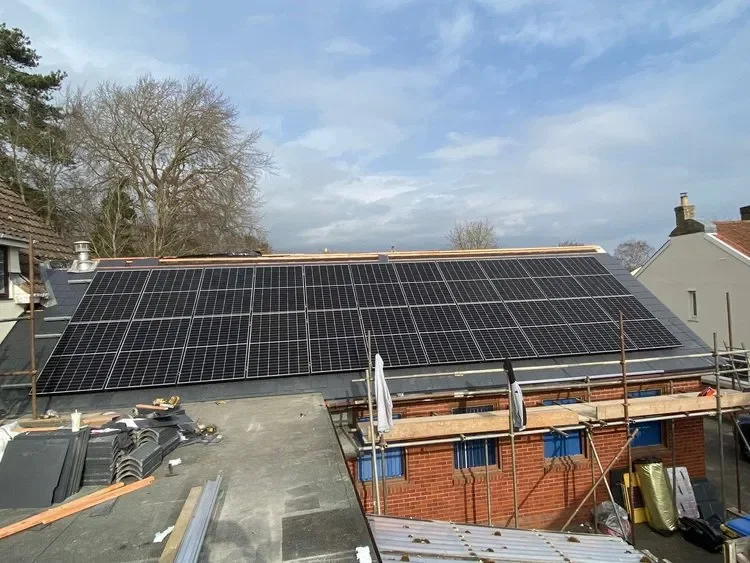
To meet carbon reduction targets, most new developments now require significant Solar PV arrays. Integrating these into the roof design early ensures they are aesthetically pleasing and optimally positioned for performance.
The Helix Advantage: Integration as Project DNA
Most firms in the industry operate in silos. You might hire a compliance consultant like Vision Energy or UK Building Compliance to handle your SAP calculations, but they often lack the practical experience of actually installing the systems they recommend. Conversely, an installer may not understand the nuances of building compliance.
At Helix Energy UK, we bridge this gap. We provide a "compliance-first" consultancy service alongside a professional installation arm.
Why This Matters for Your Project
When we act as the energy DNA of a project, we ensure that the strategy is not just "compliant on paper" but buildable in reality.
Integrated SAP & EPC Consultancy: We model your project at the concept stage to find the most cost-effective path to compliance.
Practical Installation Expertise: Because we install the Solar PV, battery storage, and Air Source Heat Pumps ourselves, we know exactly how these systems interact with the building fabric.
Reduced Risk: We take responsibility for both the compliance strategy and the physical delivery, eliminating the friction between consultants and contractors.

Regional Context: From Cornwall to London
Based in Cornwall, we have a deep understanding of the unique challenges faced by developers in the South West. Coastal environments require specific considerations for material durability and renewable energy efficiency. However, our expertise is utilised across the UK, with a strong presence in:
Cornwall & Devon: Supporting local developers with SAP consultancy and renewable installations.
The Home Counties: Helping housing associations meet strict sustainability targets.
London: Navigating the complex London Plan requirements and high-density residential compliance.
Whether we are working on a retirement home in Truro or a multi-unit apartment block in London, our goal remains the same: deliver long-term value through compliant, high-performance building services.
Practical Steps to Prevent Redesign Fees
To avoid the pitfalls of late-stage non-compliance, property developers and architects should follow these steps:
Engage Compliance Early: Perform SAP or SBEM (for commercial) modelling at the RIBA Stage 2 or 3. This allows you to adjust the building envelope before the design is locked.
Verify Buildability: Ensure your energy consultant understands the physical constraints of the technology they are recommending. A theoretical heat pump solution is useless if there is no space for the external unit.
Coordinate Services: Align your acoustic testing, air permeability, and energy strategy. These elements are interconnected; for example, a change in ventilation to meet Part L can impact your acoustic compliance.
Use Integrated Partners: By working with a partner that handles both consultancy and installation, you ensure a single point of accountability for the project’s energy performance.
Summary of Key Takeaways
Early SAP modelling is the most effective way to prevent unplanned redesign costs.
Part L 2021/2025 requires a significant shift toward fabric efficiency and low-carbon heating.
Non-compliance discovered late can add over £4,000 per unit in unplanned build costs.
Helix Energy UK provides a unique end-to-end service, acting as the "DNA" of the project from consultancy through to installation.

How Helix Energy UK Can Help
As an accredited renewable energy and building services consultancy, we specialize in bringing compliance and energy strategy together from the very start. We work with architects, property developers, and housing associations to ensure their projects are regulation-ready, buildable, and optimized for real-world performance.
Our services include:
SAP and EPC Consultancy
Solar PV and Battery Storage Installation
Air Source Heat Pump Installation
Acoustic Testing and Air Permeability Testing
By choosing Helix Energy UK, you are not just hiring a contractor; you are gaining a strategic partner dedicated to mitigating your risk and delivering long-term value.
Contact us today to discuss your next project in Cornwall, Devon, the Home Counties, or London.