
What Does an Energy Consultant Do for Property Developers in the UK?
Energy consultants play a central role in modern UK development projects, particularly as planning requirements and building regulations continue to evolve.
For property developers, engaging an energy consultant early can help ensure that projects meet planning policy, Part L compliance, and long-term sustainability targets—while avoiding costly redesigns.
This guide explains what energy consultants do, when they should be involved, and how they support successful project delivery.
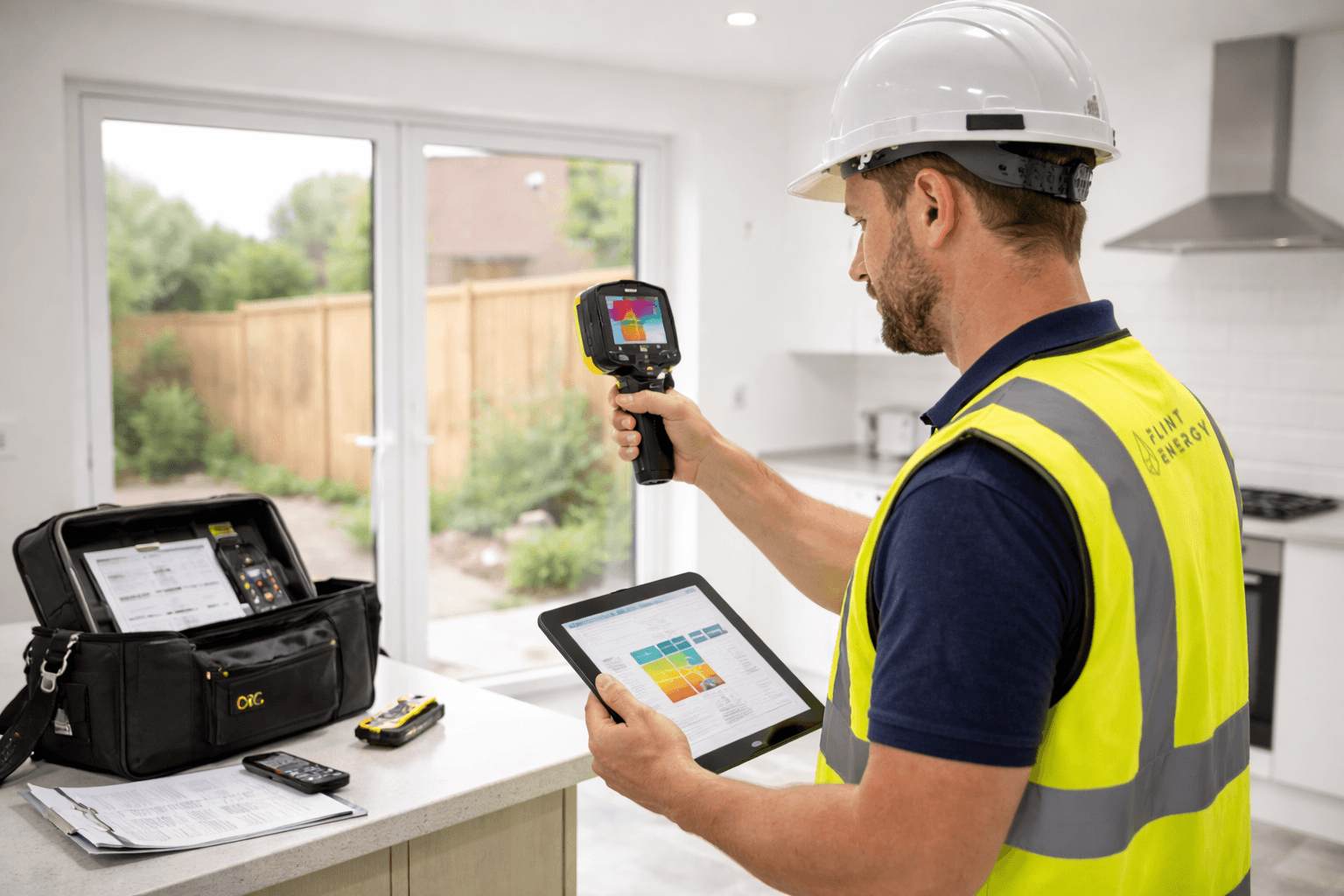
What is an energy consultant?
An energy consultant provides specialist advice on how buildings can meet energy performance, carbon reduction, and regulatory requirements.
They work alongside developers, architects, and design teams to ensure that energy considerations are integrated throughout the project lifecycle.
This typically includes:
Energy strategy development
Planning documentation (such as energy statements)
SAP and SBEM calculations
Renewable energy system design
Compliance with building regulations and local policy
Why are energy consultants important for developers?
Energy requirements are now a key part of the planning and construction process.
Local authorities increasingly expect developments to:
Reduce carbon emissions beyond minimum standards
Include on-site renewable energy generation
Demonstrate a clear path towards net zero
Without specialist input, projects can face:
Planning delays or refusals
Increased construction costs
Design changes late in the process
Engaging an energy consultant helps manage these risks.
When should an energy consultant be involved?
Early design stage (recommended)
The most effective time to engage an energy consultant is at the concept stage.
At this point, they can influence:
Building orientation and layout
Fabric performance and insulation
System selection (heating, cooling, ventilation)
Integration of renewable technologies
Early involvement allows energy performance to be designed in, rather than added later.
Planning stage
During planning, the consultant prepares key documentation, including:
Energy statements
Sustainability reports
Carbon reduction strategies
These documents demonstrate compliance with local planning policies.
Detailed design stage
At this stage, energy consultants carry out:
SAP calculations (residential)
SBEM calculations (commercial)
These are required to show compliance with Part L of the Building Regulations.
Construction and delivery
Energy consultants may also support:
Design coordination
System specification
Ensuring installations meet performance targets
What services do energy consultants provide?
Energy strategies for planning
A structured plan showing how a development will meet energy and carbon requirements.
SAP and SBEM calculations
Detailed modelling used to demonstrate compliance with building regulations.
Renewable energy design
Recommendations for systems such as:
Solar PV
Heat pumps
Battery storage
Compliance support
Ensuring alignment with:
Part L Building Regulations
Local authority planning policies
Sustainability targets
How energy consultants help reduce risk
One of the key benefits of working with an energy consultant is risk reduction.
They help to:
Identify compliance issues early
Avoid redesign at later stages
Ensure documentation meets planning requirements
Provide clarity for project teams and stakeholders
Common challenges developers face
Without specialist support, developers often encounter:
Unclear or changing planning requirements
Difficulty meeting carbon reduction targets
Misalignment between planning and building regulations
Delays caused by incomplete or non-compliant submissions
Energy consultants provide the technical expertise needed to navigate these challenges.
How Helix Energy supports property developers
Helix Energy works with developers across the UK to deliver practical, compliant, and cost-effective energy solutions.
We support projects through:
Early-stage energy strategy development
Planning documentation and energy statements
SAP and SBEM modelling
Renewable energy integration
Ongoing compliance and technical support
Our approach focuses on aligning energy performance with both regulatory requirements and commercial objectives.
Is an energy consultant required for all developments?
Not all projects require a full energy strategy, but many will require:
SAP or SBEM calculations
Evidence of compliance with Part L
Supporting documentation for planning
For larger or more complex developments, an energy consultant is typically essential.
Energy consultants play a critical role in helping property developers deliver compliant, efficient, and future-proof buildings.
By engaging early and integrating energy considerations into the design process, developers can reduce risk, improve performance, and streamline both planning and construction.
If you’re planning a development and need support with energy strategy, compliance, or modelling, Helix Energy can provide expert guidance at every stage of your project - contact us.